A linen sofa that was difficult to remove the cover from, a wall painting meant to be “natural” but that emitted a persistent odor for weeks: we’ve all experienced at least one disappointment when trying to refresh an interior. The 2026 decor trends are better understood through these concrete irritants than through a Pinterest mood board.
This year, home innovations revolve around three axes: regulations that genuinely change what we find in stores, materials whose durability is improving, and color palettes that stand the test of time.
Formaldehyde and air quality: what’s changing for furniture in 2026
Before discussing colors or style, a technical point deserves attention. The European Union has tightened formaldehyde limits for furniture through the REACH regulation (entry 77), with a deadline set for August 2026. Specifically, particle boards, plywood, and MDF used in furniture must now meet stricter emission thresholds.
For those buying a dresser, a bookshelf, or a TV unit this year, the consequence is direct: compliant products display lower levels of volatile organic compounds. In France, the “indoor air emissions” label (rated from A+ to C) remains the most readable reference in stores. It is recommended to check this label before relying solely on the visual appearance of a piece of furniture.
Among the home innovations on Always Unique, there are selections that incorporate these air quality criteria, a filter that is still rarely highlighted by mainstream retailers.
Natural materials and sustainable furniture: beyond the marketing argument
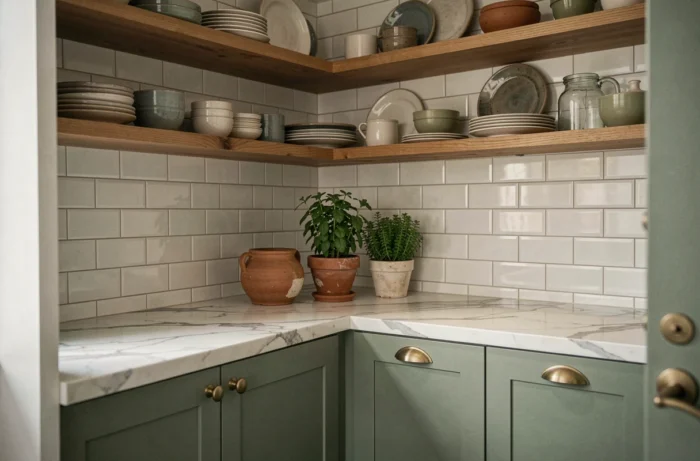
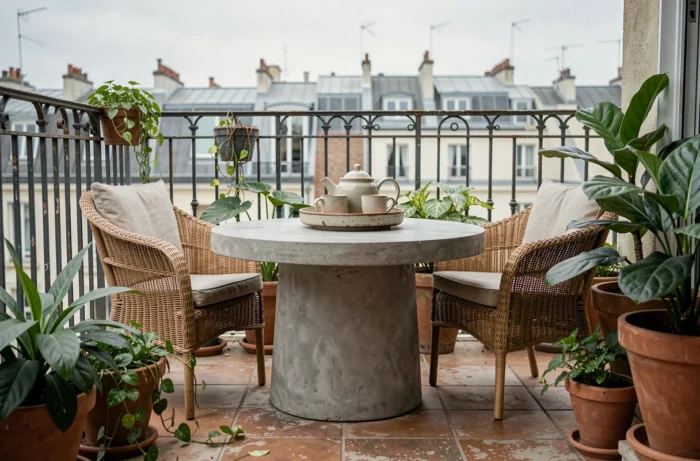
Wood, rattan, linen, ceramics: these materials return every year in decor items. What distinguishes 2026 is the rise of a logic of repairability and circularity imposed by the European ESPR regulation (Ecodesign for Sustainable Products Regulation). Furniture is among the priority product categories.
In practice, this means that manufacturers will need to provide more information about the composition of their products, their estimated lifespan, and the availability of spare parts. For a buyer, this is a shift in perspective.
Three concrete criteria to assess sustainable furniture
- Transparency about materials: a manufacturer that details the source of the wood, the type of glue, and the surface treatment inspires more trust than a simple “eco-friendly” label without details.
- Resistance to daily use: feedback varies on this point, but thick stoneware and untreated solid woods withstand aging better than thin veneers, especially in high-traffic areas like the living room or kitchen.
- The ability to repair or replace a component (table leg, chair seat, drawer handle) without having to buy the entire piece of furniture.
This shift towards products designed to last also alters aesthetics. There are fewer ultra-smooth finishes and more slightly textured surfaces that hide everyday micro-scratches.
Trendy colors for the living room and living spaces
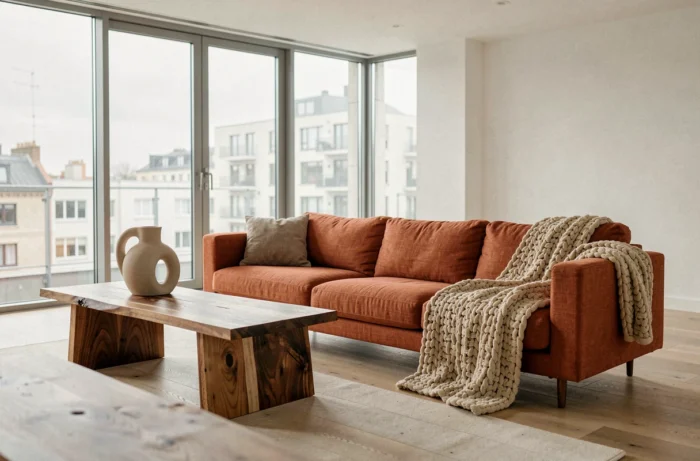
On the color palette side, 2026 continues the shift towards warm and earthy tones that began in recent years. Deep clays, ochres, chocolate browns, and terracotta remain safe bets for a living room or dining area.
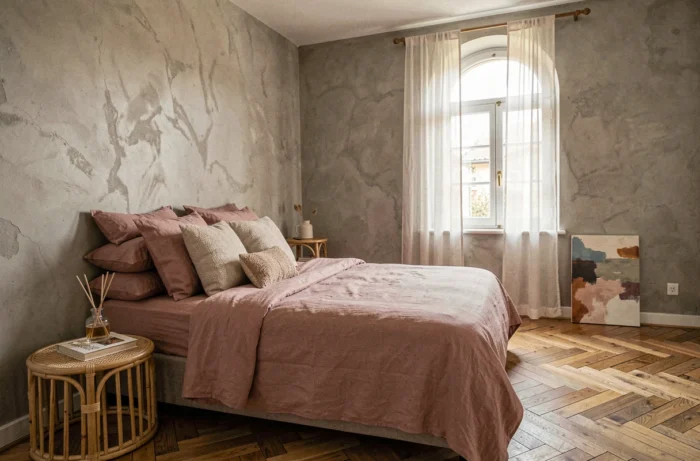
Two colors stand out for those wanting to step away from neutral tones without taking too many risks:
- Celadon (a soft green-gray) works well on a wall or as upholstery fabric. It brings freshness without breaking the warm atmosphere of a room with light walls.
- Straw yellow, more discreet than mustard yellow, warms a north-facing space without overwhelming it. It can be found on cushions, lampshades, and light curtains.
The underlying trend, beyond specific shades, is the abandonment of monochrome white interiors in favor of more contrasting compositions. A terracotta wall combined with light wood furniture and ecru linen textiles creates an effect that is both modern and lived-in.
How to test a color before committing
Paint a one-meter square on the targeted wall and live with it for a week, in both natural and artificial light. Earthy tones often appear darker in the evening under warm lighting. An A4 sample stuck to the wall is not enough to judge the actual effect in the room.
Interior decoration and comfort: the details that make a difference in everyday life
The major style orientations (revisited Scandinavian, vintage, bohemian) are well documented. We prefer to focus on the micro-decisions that concretely improve the comfort of a living space.
Indirect lighting remains the most underestimated lever in interior decoration. Replacing a central ceiling light with two or three low light sources (table lamp, adjustable wall lamp, subtle string lights) transforms the atmosphere of a living room for a limited budget.
Another operational detail: the choice of textiles based on touch. A boucle wool throw or a thick jute rug adds a sensory dimension that inspirational photos do not convey. Running your hand over the fabric in-store, checking the weight, feeling the softness of the linen: these gestures prevent returns and disappointments upon delivery.
Interior design in 2026 rewards those who take the time to check what they are buying, from the chemical composition of the furniture to the color’s performance under different lighting. Trends come and go, but a well-thought-out interior based on these technical foundations remains pleasant to live in well beyond a season.