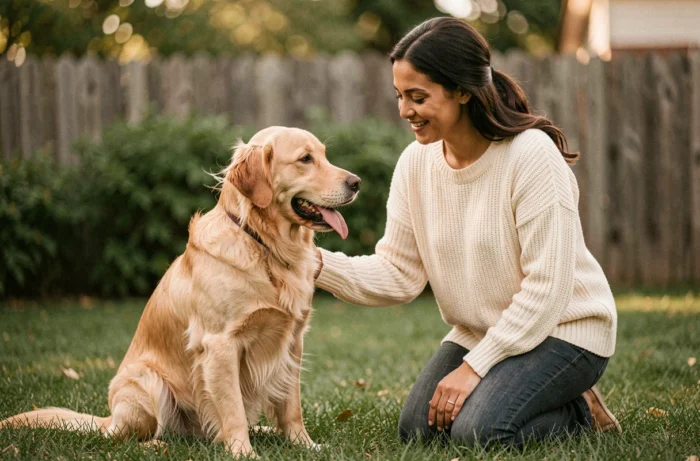
A dog that slows down on walks, sleeps more, or refuses a game it loved six months ago is not necessarily lazy. These subtle signals often indicate a faster aging process than its age in human years suggests. Understanding how a dog ages, adapting its diet, monitoring its dental health, and choosing a breed compatible with its daily life are basics that many owners discover too late.
Aging in Dogs: Signs Most Owners Notice Too Late
Have you ever noticed that a small ten-year-old dog still seems lively while a large dog of the same age appears tired? Canine aging does not follow a uniform pace. Size and breed directly influence the rate at which the body wears out.
Some veterinary prevention sources recommend switching to semi-annual visits after seven or eight years. At this age, a dog enters a phase where joint, kidney, or heart conditions can appear without visible symptoms. Regular blood tests can detect early kidney failure long before the dog starts drinking excessively.
A concrete marker: if your dog takes longer to get up after a nap, hesitates before climbing stairs, or turns its head more slowly when you call, these are not whims. These micro-changes signal joint or sensory pain that the dog cannot verbalize.
Adapting the environment does not require a huge budget. Raising the food bowl reduces cervical pressure. A non-slip mat at the foot of the couch prevents slipping on tiles. And shortening walks while increasing their frequency preserves muscle mass without tiring the joints.
Dog Nutrition: The Gradual Transition That No One Respects
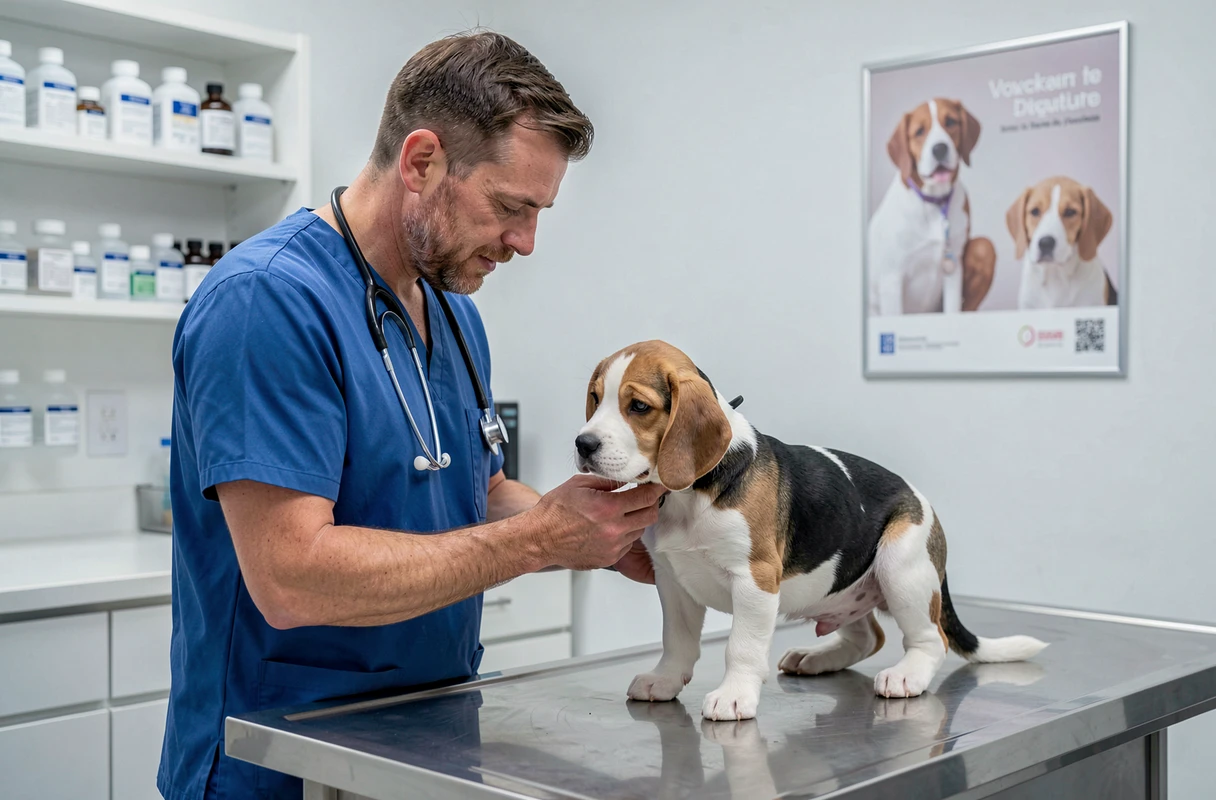
Changing a dog’s kibble overnight is one of the most common mistakes. Current veterinary recommendations emphasize a dietary transition spread over seven to ten days to limit digestive issues (diarrhea, vomiting, refusal to eat).
The principle is simple. In the first few days, mix a small portion of the new food with the old. Each day, increase the proportion of the new food. By the end of the period, the old food should be gone. Many articles on dogs on the Planète Animaux site detail these steps by breed type and age, helping to calibrate the speed of transition.
This method also applies when a dog switches from commercial food to home-cooked meals, or vice versa. The canine digestive system hosts a specific bacterial flora that needs time to adapt to a new nutritional intake.
- Days one to three: about a quarter of the new food mixed with three-quarters of the old, monitoring stool consistency.
- Days four to six: half and half, observing appetite and absence of bloating.
- Days seven to ten: three-quarters of the new food, then complete transition if digestion remains stable.
A dog that categorically refuses the new food after several days is not being picky. This may indicate an intolerance or a dental issue that makes chewing painful.
Dog Dental Care: An Underestimated Daily Gesture
Oral health is the blind spot for many owners. Tartar gradually accumulates, causing gum inflammation, and then periodontal disease that can affect the heart and kidneys through the bloodstream.
Regular brushing remains the most effective preventive measure. An enzymatic toothpaste designed for dogs (never human toothpaste, which is toxic to them) and a soft-bristled brush are sufficient. Ideally, start at the puppy stage so that the process becomes an accepted ritual.
Why emphasize this point? Because dental cleanings under general anesthesia at the veterinarian represent a cost and anesthetic risk that increases with the dog’s age. Preventing tartar at home reduces the frequency of these interventions.
Early Puppy Socialization: The Investment That Changes Everything
A puppy that has never heard a vacuum cleaner before four months is likely to develop a lasting fear of household noises. Early socialization involves exposing the young dog, in a positive and gradual manner, to various people, animals, sounds, and environments.
This work is not limited to “taking the puppy out.” It involves controlling the intensity of stimuli. Introducing a calm child before a group of noisy children. Playing traffic noise at a low volume before walking along a busy road. Each positive exposure builds the dog’s confidence for life.
- Vary the surfaces under their paws: grass, gravel, tiles, metal grates. A puppy accustomed to different surfaces will hesitate less in the city.
- Meet dogs of different sizes in a controlled setting, not in total freedom in a crowded dog park.
- Regularly handle the puppy’s ears, paws, and mouth to facilitate future veterinary care.
Adult Dog Sleep: A Need Much Higher Than You Think
An adult dog typically sleeps between twelve and fourteen hours a day. This figure surprises many owners who interpret this duration as lethargy. In reality, prolonged sleep is a normal physiological need in dogs, not a sign of illness.
The quality of the sleeping area matters as much as the duration. A bed placed in a quiet area, away from traffic, promotes deep and restorative sleep. A dog that sleeps in a hallway or near an entrance door will be awakened by every noise, fragmenting its rest cycles.
On the other hand, a dog that sleeps significantly more than usual or refuses to get up deserves a veterinary consultation. Hypersomnia can signal hypothyroidism, reactive depression after a change in environment, or chronic pain that the dog compensates for by moving less.
Adapting walking and play schedules to the dog’s natural rhythm, rather than forcing it to be active when it is dozing, contributes to its behavioral balance. A well-rested dog learns better and reacts less impulsively.