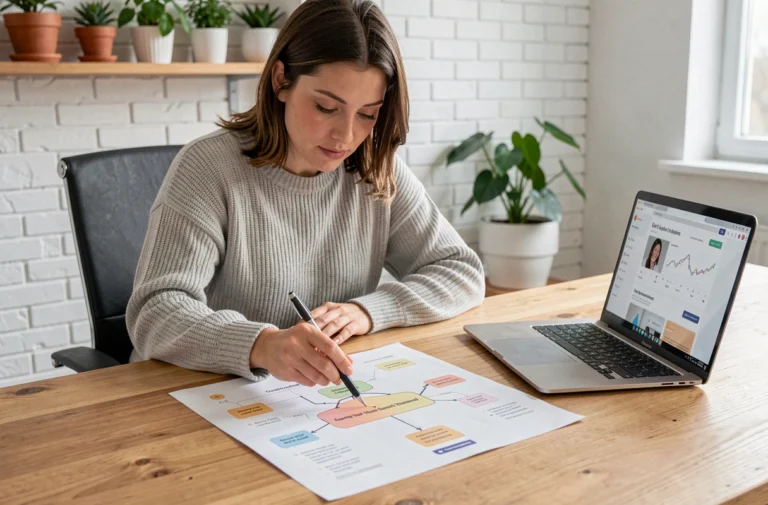
Leisure time is not managed like a production schedule. However, we observe a clear trend: leisure lists recycle the same activities without ever questioning their real function. Filling one’s leisure time with simple leisure ideas first requires understanding what each type of activity produces cognitively and physically, and then choosing accordingly.
Micro-leisure and nervous regulation: leisure time as a recovery tool
The logic of micro-leisure is based on short sequences (a walk without a route, a mini-sort of objects, a breathing session) whose goal is not to entertain but to prevent exhaustion and the feeling of being overwhelmed. This approach contrasts with activity marathons that saturate the weekend.
Among the emotional regulation techniques integrated into daily leisure, the 4-7-8 breathing (inhale for four seconds, hold for seven, exhale for eight) is practiced between two activities or at the end of the day. It reduces the accumulated stress load and promotes falling asleep.
The technical point we recommend: alternating a sensory activity (manipulating objects, indoor gardening, candle making) with a period of passive regulation. This sequencing transforms leisure time into a resource for mental health, not just a simple filler. You will find structured suggestions in this way on the tropfacile.net site for leisure, which categorizes activities by type of desired effect.
Sensory activities at home: scents, light, and plants
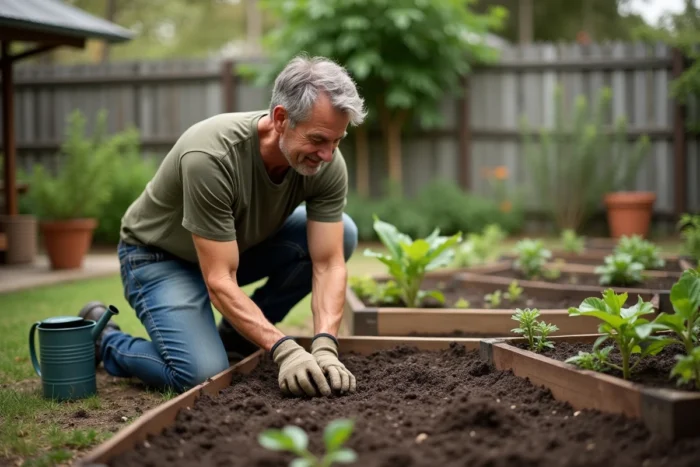
Leisure activities centered on sensations are gaining ground over purely manual activities. Making scented candles, setting up an indoor plant corner, or creating a herbarium are not just decorative crafts. The goal is to create an environment that affects the nervous system through scents, soft light, and contact with plants.
We distinguish three categories of sensory activities that can be done without specialized equipment:
- Olfactory activities: mixing oils for a diffuser, drying aromatic flowers, preparing lavender sachets. Working with scents engages memory and produces a measurable calming effect.
- Visual and light activities: arranging candles, creating paper lanterns, setting up indirect lighting with everyday objects. The transition from bright light to soft light alters melatonin production.
- Plant contact activities: repotting, cuttings, growing microgreens on a windowsill. Contact with soil and plants reduces cortisol levels.
These leisure activities work well for both children and adults. For children, cuttings or candle making (under supervision) combine scientific learning and sensory stimulation.
Games and cognitive activities: choosing based on desired mental effort
Not all games are equal from a cognitive perspective. A mechanical puzzle and a narrative board game do not engage the same circuits. We recommend classifying activities on a mental effort scale before suggesting them, especially during holidays or after school, when children’s attention capacity is already diminished.
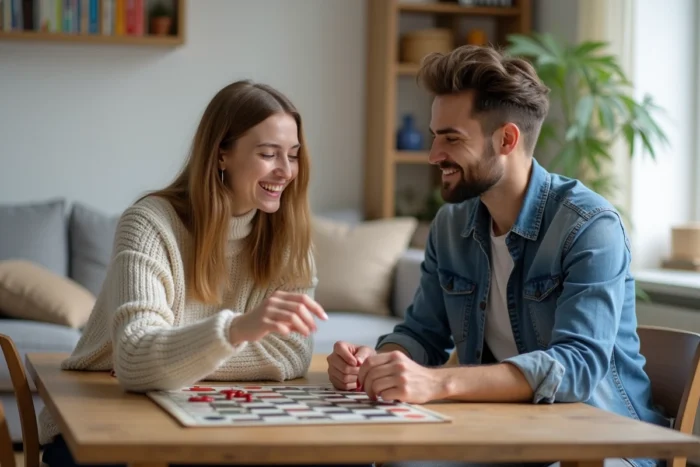
A poorly calibrated leisure activity in cognitive effort tires instead of relaxing. After a day of intellectual work, a complex strategy game may prolong the mental load. Conversely, an activity that is too passive (scrolling, passive viewing) does not provide the active recovery the brain needs.
The right adjustment lies in activities with moderate effort:
- Free drawing or complex coloring: engages attention without requiring decision-making
- Physical puzzles (not digital): visual sorting and manipulation of real objects activate brain areas complementary to those engaged by screen work
- Group word games (anagrams, exquisite corpse): light linguistic effort, strong social dimension
- Simple scientific experiments with everyday objects: vinegar and baking soda, water filtration, rapid germination. For children, these activities combine play and learning without school pressure
Creative hobbies for beginners: the trap of materials
The first barrier to creative hobbies is neither time nor desire, but the purchase of specialized materials that end up unused. Watercolor painting, sewing, macramé, or pottery require an initial investment that many overestimate.
We observe that the most sustainable creative activities are those that start with materials already present at home. Customizing everyday objects (selling or donating afterwards), repurposing packaging for storage, transforming old clothes into accessories: these short projects generate visible results in less than an hour, which maintains motivation.
Adult coloring, often mocked, remains one of the most accessible creative hobbies. It only requires a pencil and a sheet of paper. Its value lies in regularity, not in the complexity of the result. Ten minutes of daily coloring produce a decompression effect comparable to a short walk.

For children on vacation or during free time after school, creative hobbies with recovered objects (rolls, caps, fabric scraps) offer a no-stakes experimental ground. The result matters less than the process of manipulation and invention.
Leisure time does not need to be filled to be useful. An afternoon with a single well-chosen sensory activity, a game calibrated to the right level of effort, and a moment of conscious breathing produces more than a day saturated with activities strung together without logic. The next time you look for ideas to occupy your leisure time, start by identifying what your body and attention truly need.