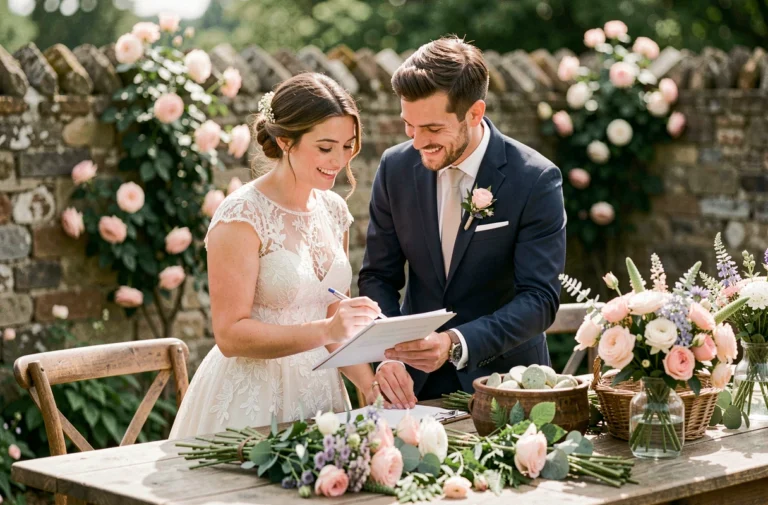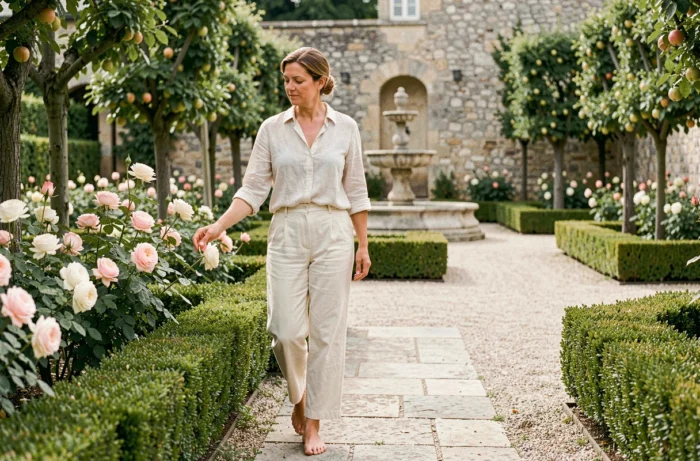
When looking for a green space in Île-de-France for an outing that goes beyond a simple walk, the first challenge is sorting through the options. Between municipal parks, historic estates, and privately owned gardens that open occasionally, the offer is dense but uneven. Not all provide the same quality of maintenance or the same setting for an outdoor lunch or a private event.
Remarkable Garden Label in Île-de-France: What the Classification Really Guarantees
The Remarkable Garden label, awarded by the Ministry of Culture, is based on six official criteria evaluated every five years. Among them are: landscape composition, botanical interest, regular maintenance, and public accessibility. A garden can lose its label upon renewal if maintenance has declined.
In Île-de-France, there are now about forty labeled gardens. The ministry published a dedicated regional guide in 2023, structuring the heritage offer in a more readable way than before. This guide allows for distinguishing sites open year-round from those accessible only on special days.
For those organizing a visit or an outdoor event, the label serves as a reliable filter: a remarkable garden guarantees a minimum level of landscape quality and accessibility. Among them are spaces suitable for receptions, with facilities capable of hosting groups in a well-maintained setting, as offered by https://www.les-jardins-de-camille.fr/, combining a green environment with the art of living.
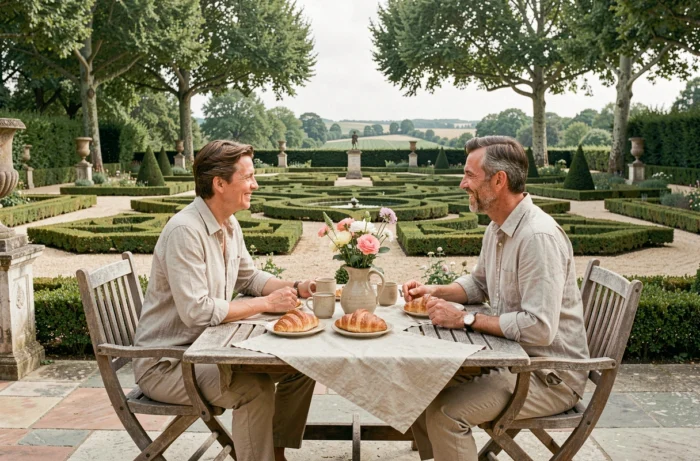
Enjoying an Exceptional Garden Without Improvising Logistics
Booking a time slot in a remarkable garden is not enough. The success of a day outdoors depends on details that are often underestimated when one has not yet tested the location.
Access Constraints and Parking
Many historic estates in Île-de-France are located in municipalities where parking is limited. It is important to check in advance the parking capacity, the distance between the parking area and the garden entrance, and accessibility for people with reduced mobility. Some sites close their gates at a fixed time, including for private events.
Weather and Contingency Plans
Organizing a lunch or reception in a garden in Seine-et-Marne or the Yvelines requires planning for a covered solution. Summer storms in Île-de-France regularly lead to the temporary closure of parks and gardens, as occurred in late August 2026 in several municipalities. A garden that offers an integrated covered space avoids last-minute cancellations.
What to Check Before Booking
- The possibility of setting up a caterer on-site or the obligation to go through a provider imposed by the estate
- The actual opening and closing times, which often vary by season (some gardens close as early as 5 PM in the fall)
- Noise restrictions, common in classified sites or near residential areas
- The condition of the ground after a period of rain, which can render dirt paths impassable
Little-Known Gardens in Île-de-France: Heritage Under Restoration
SERP competitors consistently mention Versailles, Vaux-le-Vicomte, or Fontainebleau. Here, we focus on less publicized sites that are undergoing transformation.
The Boussard Park in Lardy is undergoing an ambitious restoration campaign in 2026. This Art Deco-style garden, classified but long altered by decades of neglect, is gradually regaining its original groves and walls. The Heritage Days 2026 allowed the public to discover the progress of the work.
This type of restoration illustrates a growing trend in Île-de-France: the restoration of forgotten heritage gardens, often led by local authorities or associations. For visitors, this means that the offer of exceptional gardens is expanding beyond the well-known historical names.
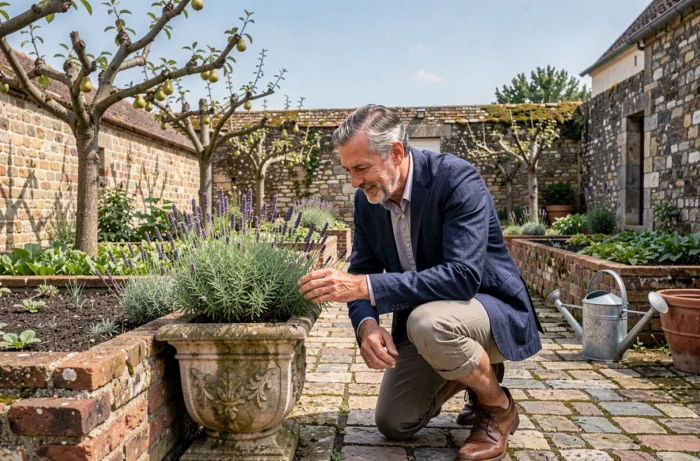
Art of Living in the Garden: What Distinguishes a Reception Venue from a Simple Park
An exceptional garden in Île-de-France is not just a green backdrop. The difference lies in the venue’s ability to integrate a complete experience: dining, service, intimacy.
In a public park, people picnic. In a garden designed for receptions, there is a setting crafted for the comfort of guests. Private gardens that open for events generally offer coordination between the chef, the landscaper, and the host. It is this interplay between the greenery and the service that creates the art of living.
Feedback varies on this point, but the most successful venues are those that intentionally limit the number of events per week to preserve the quality of the garden. A ground trampled daily by groups loses its appeal in just a few months.
Criteria that Separate High-End Reception Gardens
- A ratio between green space and built space that allows the garden to maintain its primary role (not a disguised parking lot)
- A respected maximum capacity policy, ensuring comfort and botanical preservation
- The presence of a site manager on the day of the event, capable of handling unexpected issues related to the venue
The green heritage of Île-de-France is not limited to the grand royal estates. Between labeled gardens, ongoing restorations, and private venues dedicated to the art of living, Île-de-France boasts dozens of gardens that deserve more than a quick visit. The most challenging part remains choosing the one that fits the intended use, whether it is a botanical walk or a refined reception.